
Guilt and Forgiveness
The ForgivenThis flow examines how the novel distinguishes legal resolution, remorse, truthfulness, and the uncertain possibility of forgiveness.
increasing Bearing strength in each event
 decreasing
Bearing strength in each eventdecreasingThe Accident as Beginning
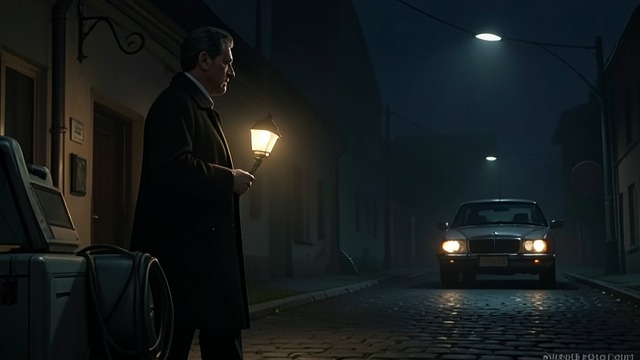
An Unintended Death
David’s car strikes Driss in a brief roadside encounter. The collision is immediate and may not be intentional, but it occurs within a chain of choices that includes drinking and driving through darkness.
The event creates several possible meanings at once: an accident for the driver, a son’s death for Abdellah, and an alarming sign of foreign indifference for the local staff.
Responsibility Beyond Intent
The novel refuses to make lack of intent the same thing as lack of responsibility. David’s actions before and after the impact remain open to judgment even if he did not set out to kill anyone.
The first moment of death therefore begins a longer moral problem. The question is how the living respond once they know what their actions have caused.
The Accident Record
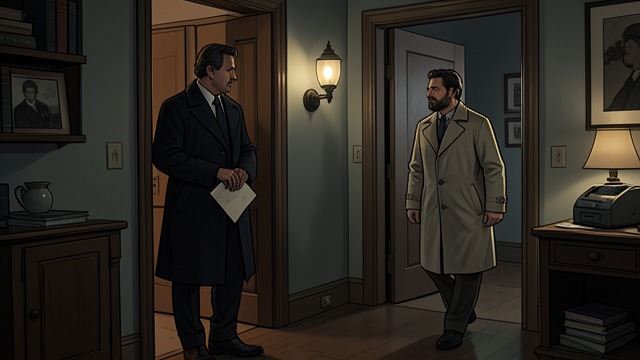
Law Moves Quickly
Yassine Benihadd tells the Hennigers that the death will be recorded as accidental. The immediate legal danger appears to recede, and the couple return to the gathering.
The official outcome offers a category for the event without requiring the visitors to explore every uncertainty. It is administratively useful but emotionally incomplete.
Legal and Moral Distance
A police record cannot tell Abdellah what happened to his son or decide whether David has been fully honest. Nor can it establish what forgiveness would require between the families.
The gap between the official file and the human loss becomes one of the novel’s central distinctions. A case may be concluded while responsibility remains unsettled.
The Burial Request
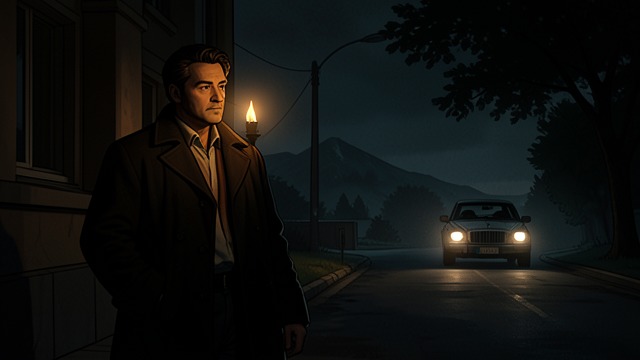
A Human Demand
Abdellah asks David to accompany Driss’s body to Tafal’aalt. The request makes the driver participate in the return and burial rather than leaving the family to manage the loss alone.
David agrees partly from fear and partly because he feels that only the father can release him from a sense of being marked by the death. Official exoneration and personal forgiveness have become different things in his mind.
Atonement Without Formula
The journey offers no clear payment, apology, or ritual that guarantees reconciliation. David does not know what Abdellah expects, and the father does not explain his purpose in terms David can easily control.
The request makes atonement a practice of entering another person’s world. Whether that practice can succeed will depend on what David is willing to say once he reaches the family.
The Lie About Ismael
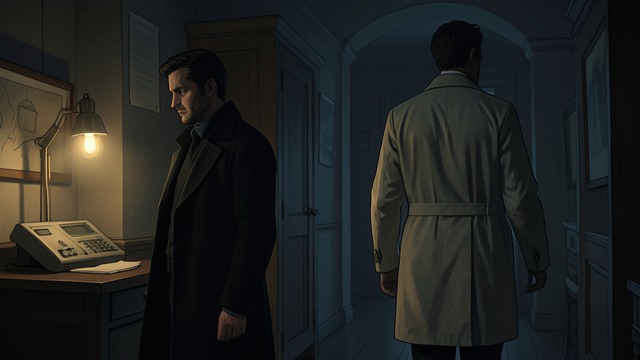
A Deliberate Answer
Abdellah asks whether Driss was alone when the collision occurred. David answers yes, despite knowing that Ismael was present and that he removed the identification.
The lie is made after the accident and after David has had time to understand that the father is asking for the truth. It therefore carries a different moral character from the collision itself.
Forgiveness Put at Risk
Abdellah believes a lie may be harder to forgive than an accident because it is a deliberate act. David’s answer frustrates the possibility of a fully informed judgment even as Abdellah lets him leave.
The scene shows that forgiveness cannot be treated as a simple reward for surviving an ordeal. It remains entangled with honesty, knowledge, and the limits of what the bereaved can know.
The Desire to Be Forgiven
A Release He Wants
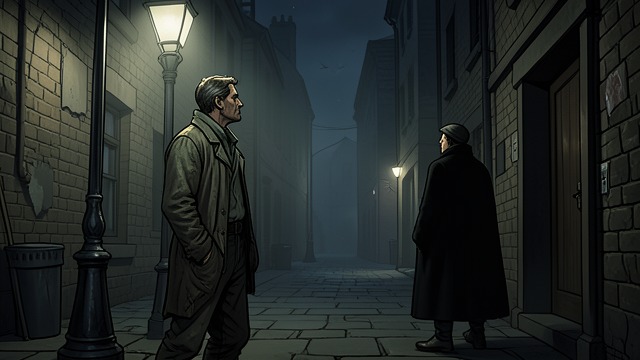
On the journey back, David asks Anouar whether Abdellah forgave him. Anouar says that the father must have done so, since David has been allowed to leave.
David accepts this answer because it gives meaning to his return and his endurance. He also tells himself that he has become stronger, while continuing to minimize his own responsibility for the collision.
Forgiveness Without Certainty
David gives Anouar the money he had carried, hoping that the gesture will help him. The act suggests a genuine wish to do something useful, but it cannot make David’s account complete.
The novel leaves forgiveness as a fragile and disputed possibility. It may be granted by another person, imagined by the guilty, or withheld by the truth that remains untold.
Friday night at the collision site
Late Friday night when the police finish questioning
Saturday afternoon when Abdellah asks David to travel
The night David speaks with Abdellah
Monday during David’s return to Azna
